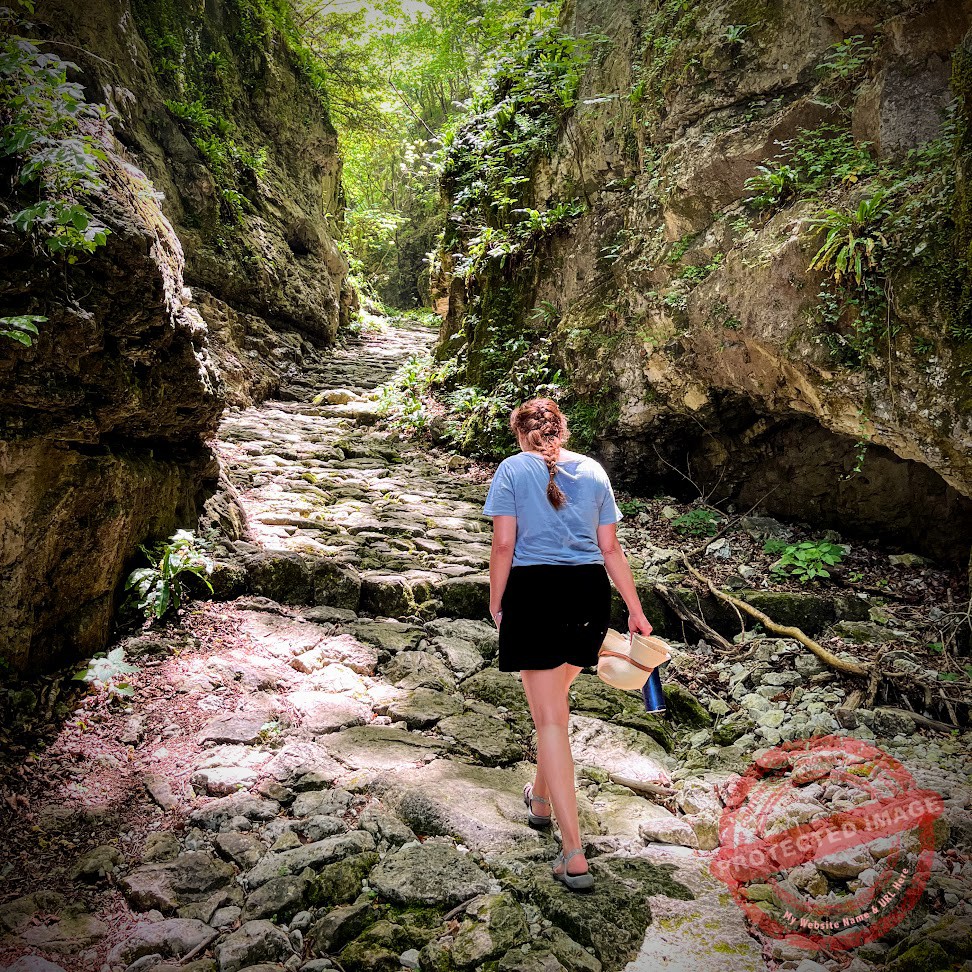
Cala’ del Sasso, known as Italy’s longest stairway, is about two hour’s drive from Venice. It is not located within an ancient palace. It isn’t even located inside of a building.
Its parking lot is a small outdoor plot-meets-road affair next to a dried-up stream, marked by modest signage.
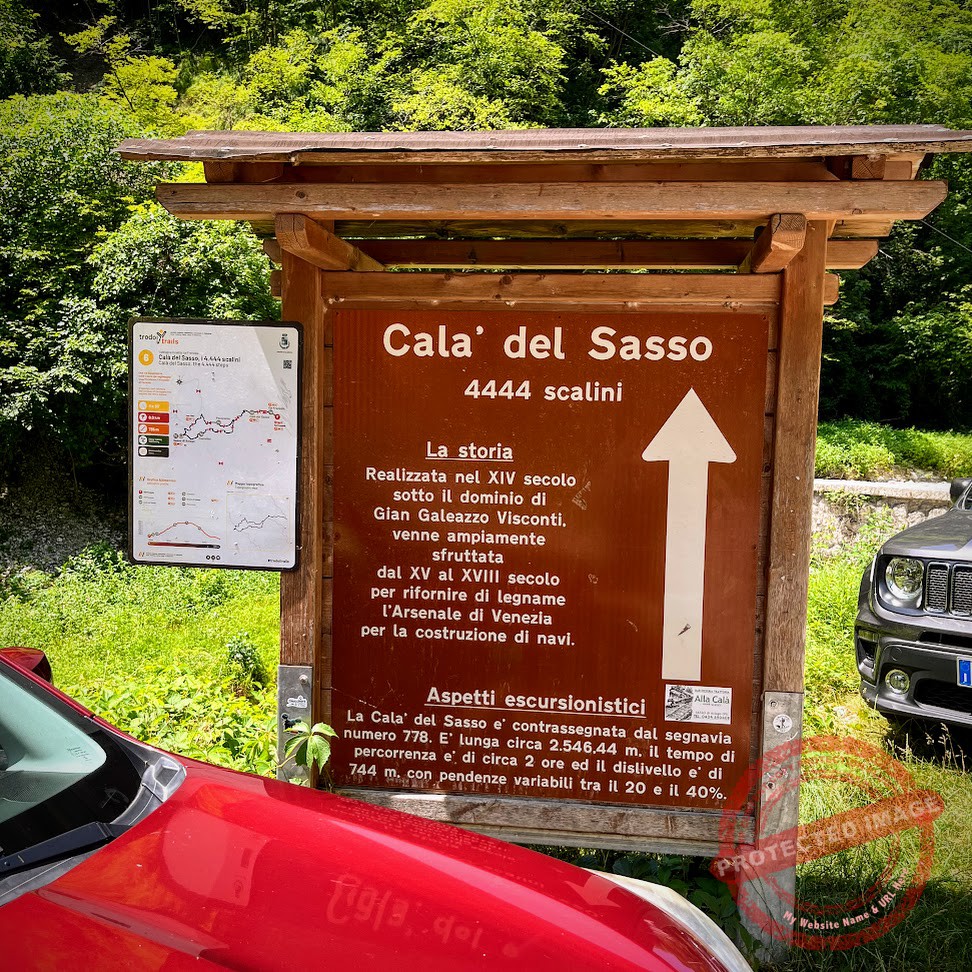
Finding the Cala del Sasso Trailhead
To reach the trailhead, you must walk along a gravel path under the scorching sun for about three-quarters of a mile. As you swelter along, you find that to your right, a mighty wall of rock hosts a handful of weekend rock-climbers, and to your left, the dried stream widens, displaying concrete spillways long out of use.

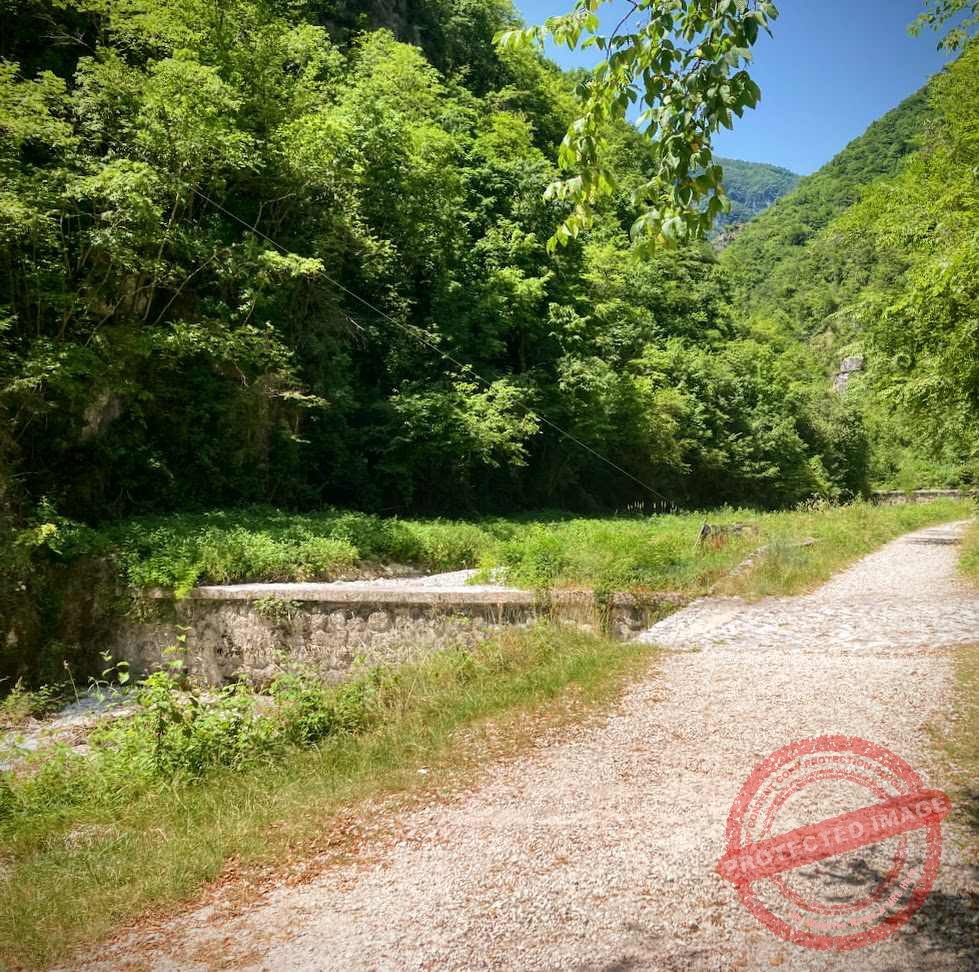
You may wonder if you’re even in the right place.
And then, finally, you see a tiny brown sign on a pole: Cala del Sasso, it says. A worn out wooden hut is to the right, just off the trailhead pathway. In front of you, a narrow strip of earth parts overgrown grass, but a little beyond that, you can see the first of the 4,444 stone steps that will lead you through woods and narrow canyons up an elevation of 2,411 feet (735 meters). The roundtrip journey, should you choose to accept it, is just under 5 miles (8 KM).
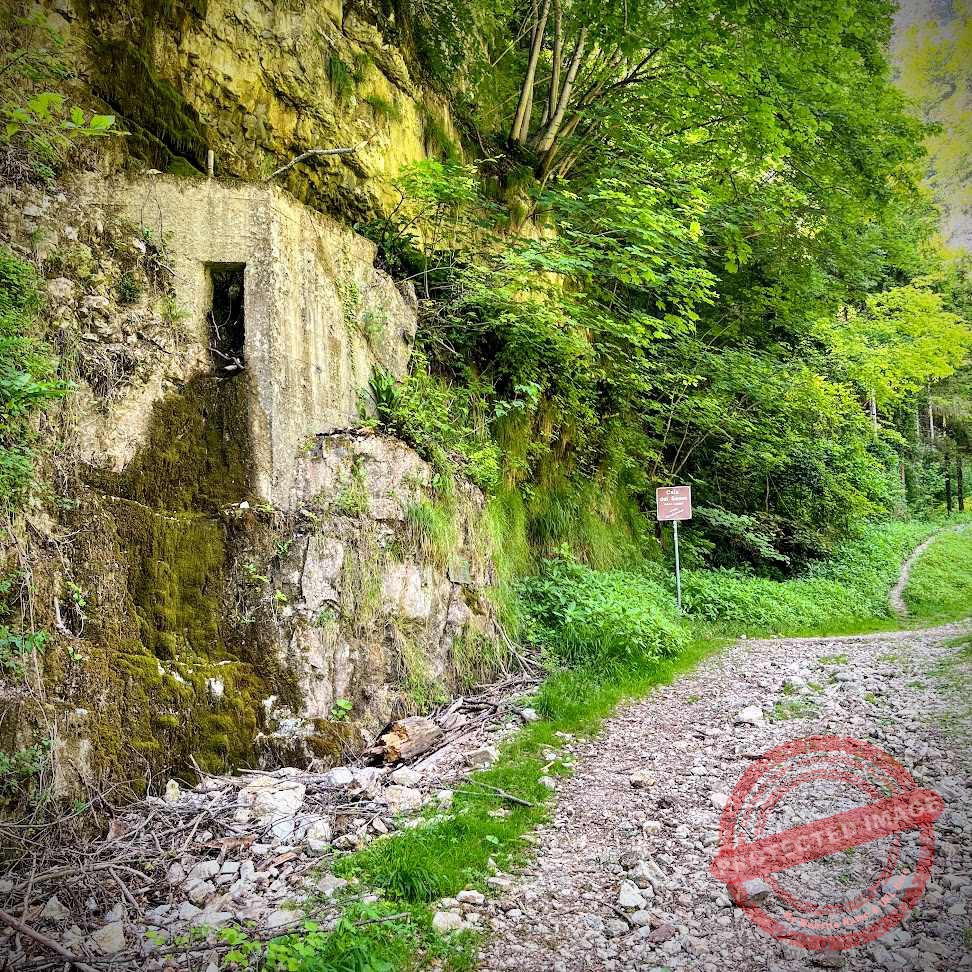
You have now taken the first step on the longest staircase in all of Italy. Some claim, in all of Europe.
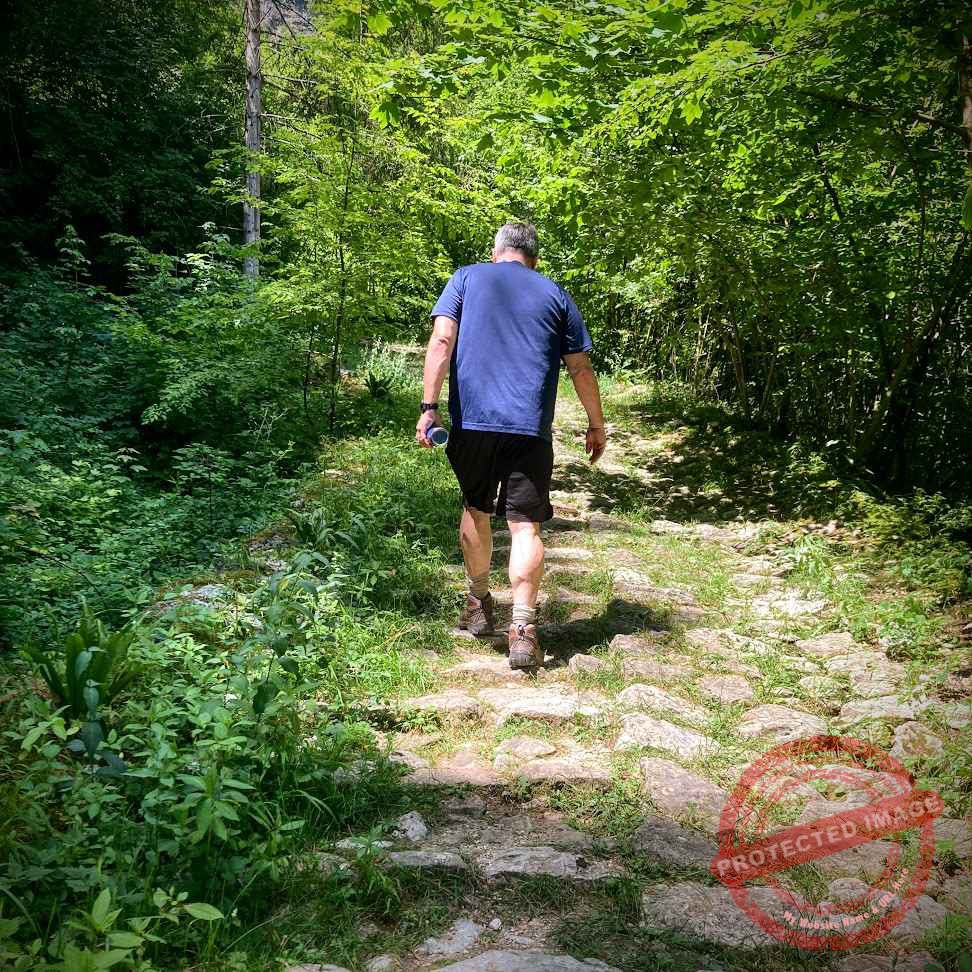
Cala del Sasso Stairway Hike: What to Expect
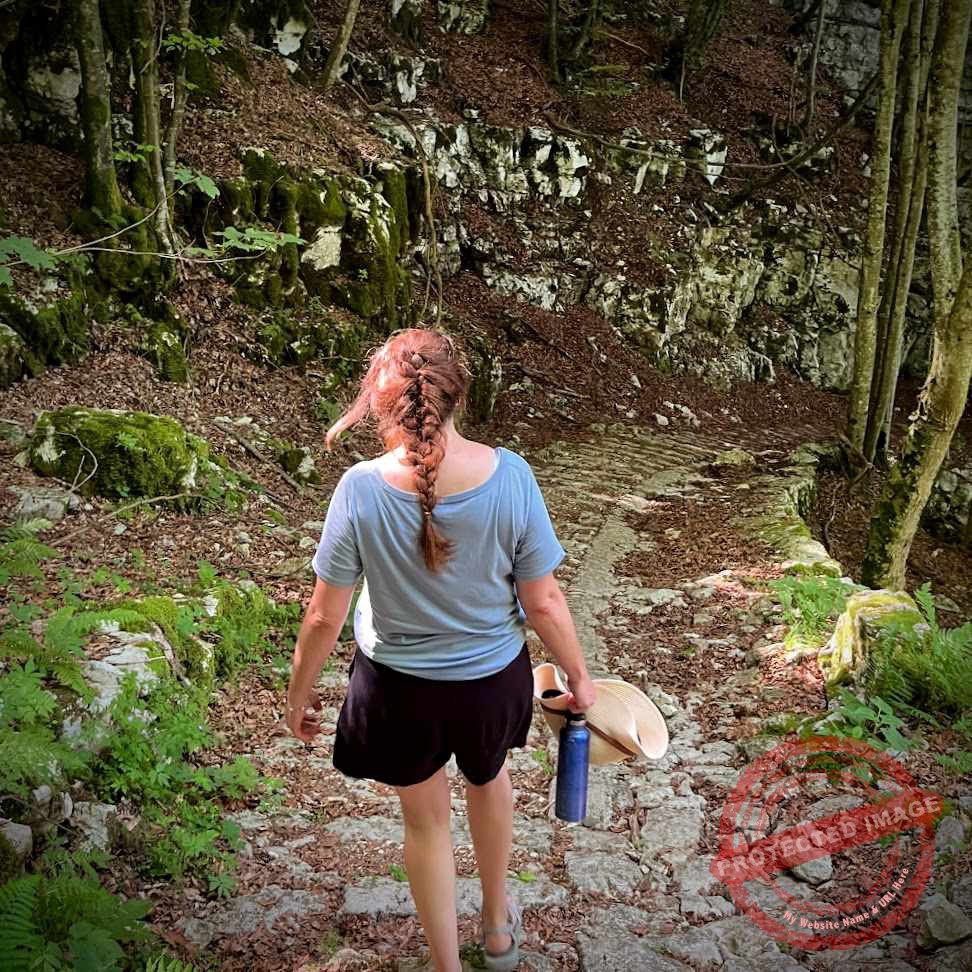
The stairway is wild and somewhat derelict. The scenery is that of woods, slabs of rock, small caverns, the remnants of a few World War bunkers and quirky wooden chain-saw sculptures.
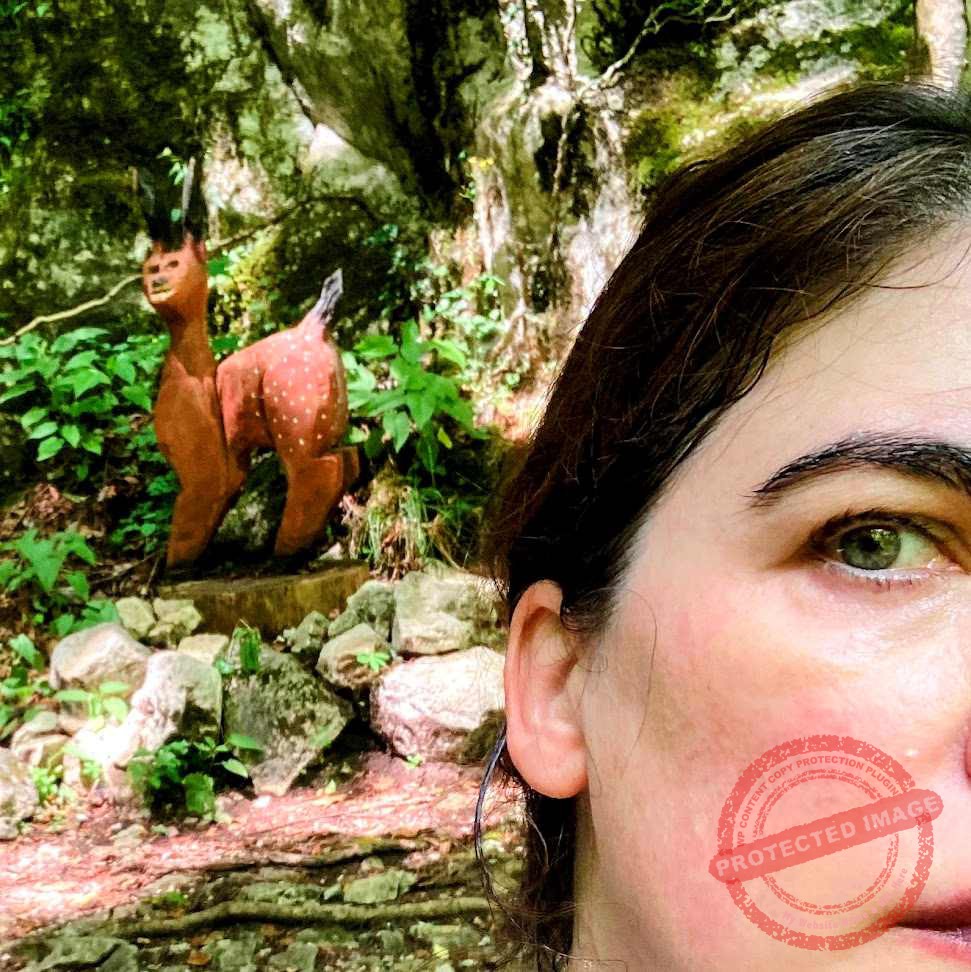
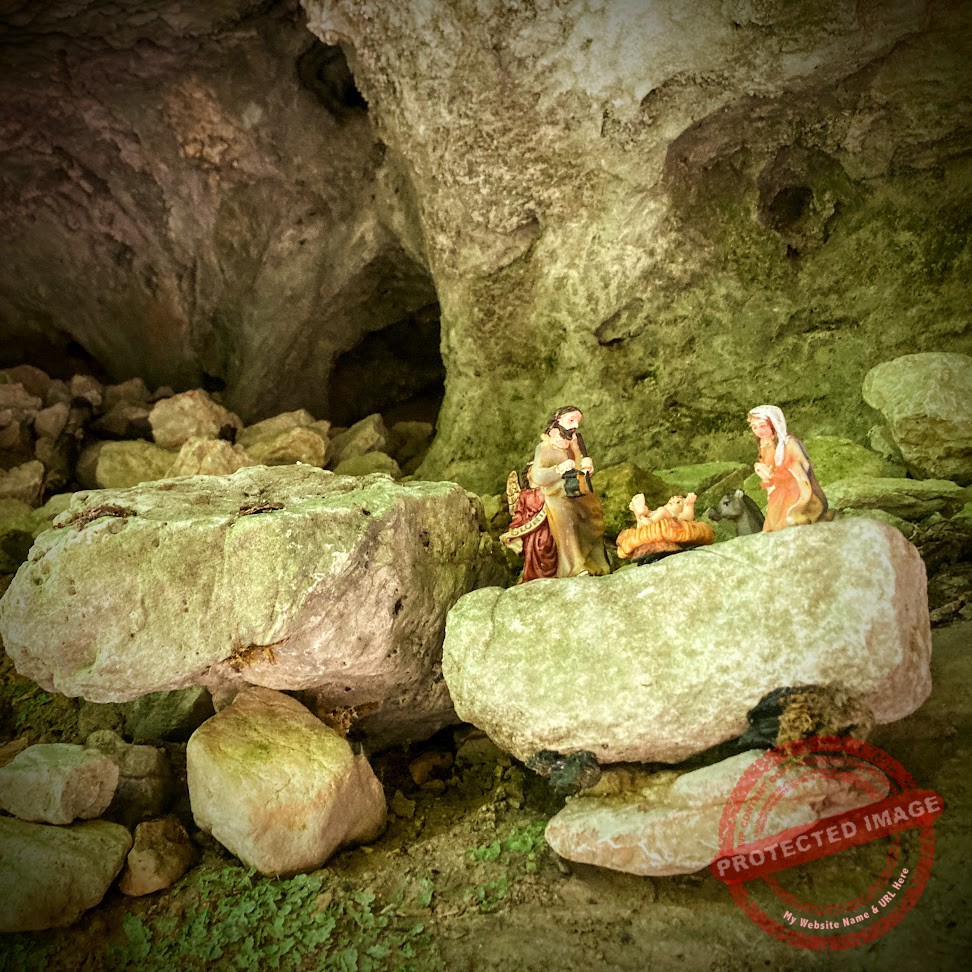
It is so very hot. Even in the shade of trees that mostly shelter the entire stairway, it is a sweat-bath.
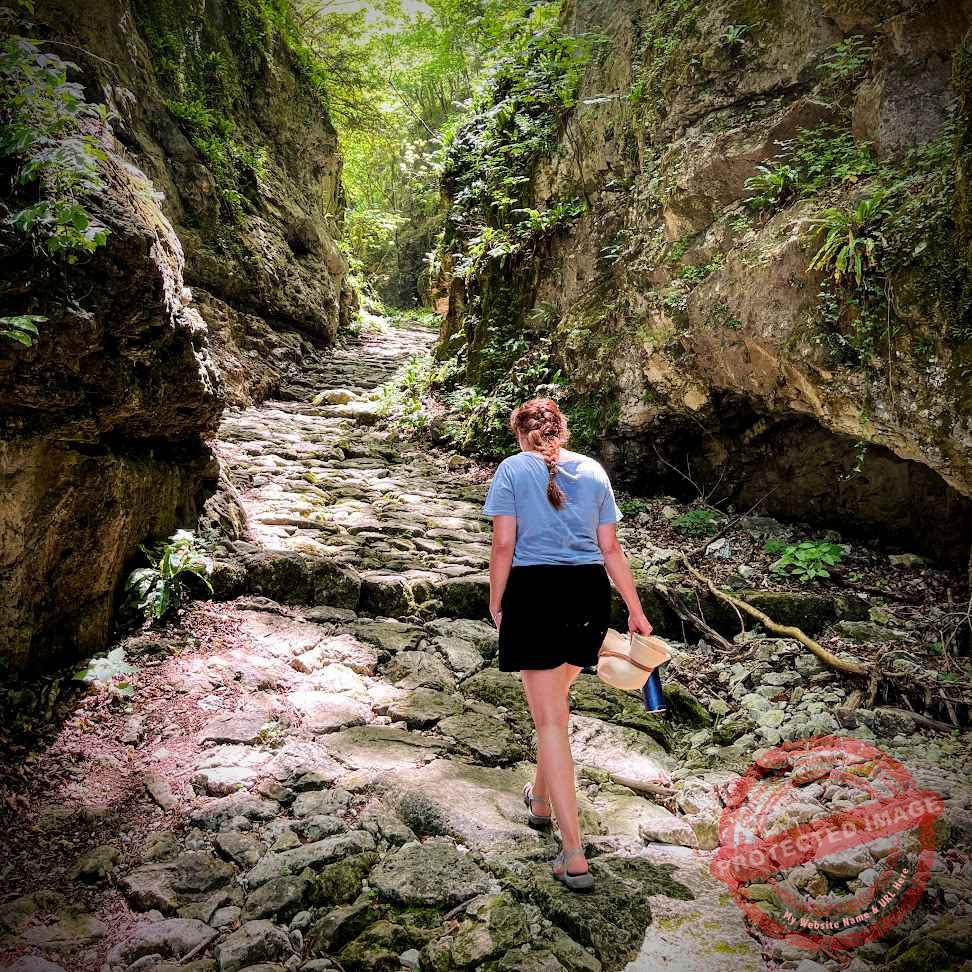
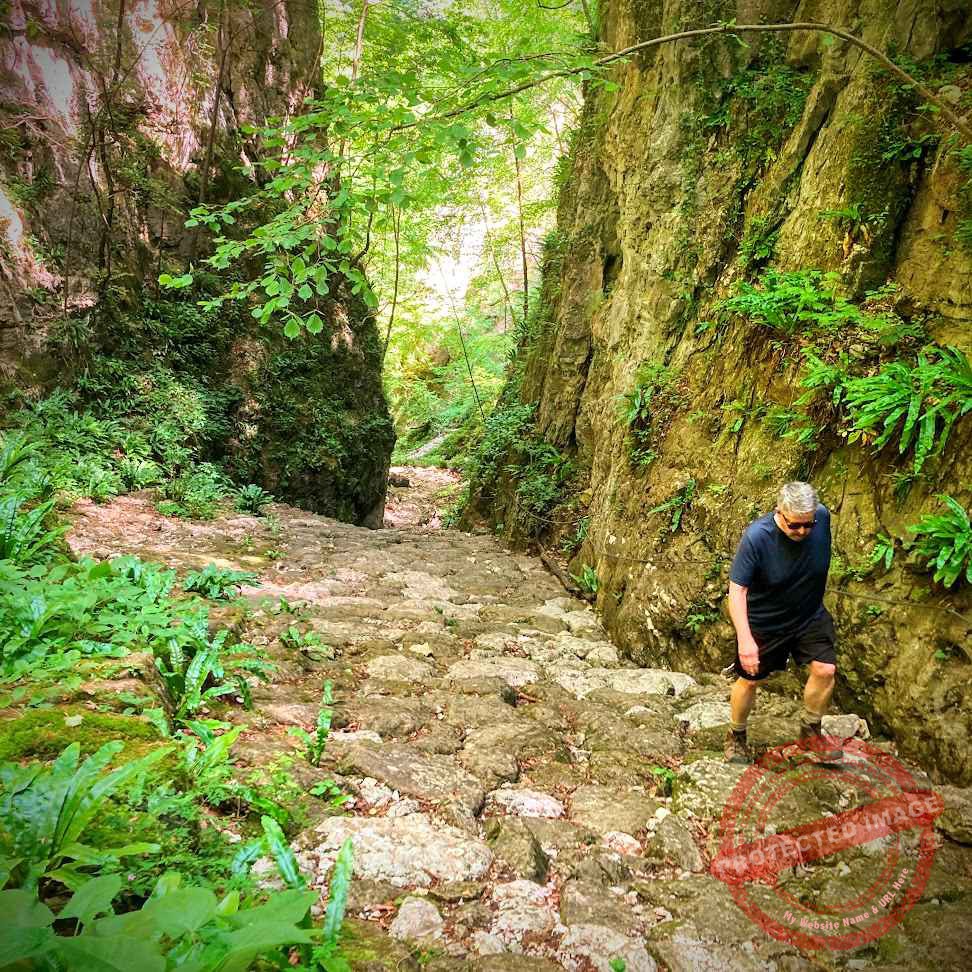
And as you plod up those switch-back stairs, sometimes shallow and wide, sometimes steep and craggy, you might spot the trench that this hike describes within its signage. Sometimes the trench is evident, sometimes not so much, but you know it must be there because it was the whole purpose of this outdoor spectacle in the first place:
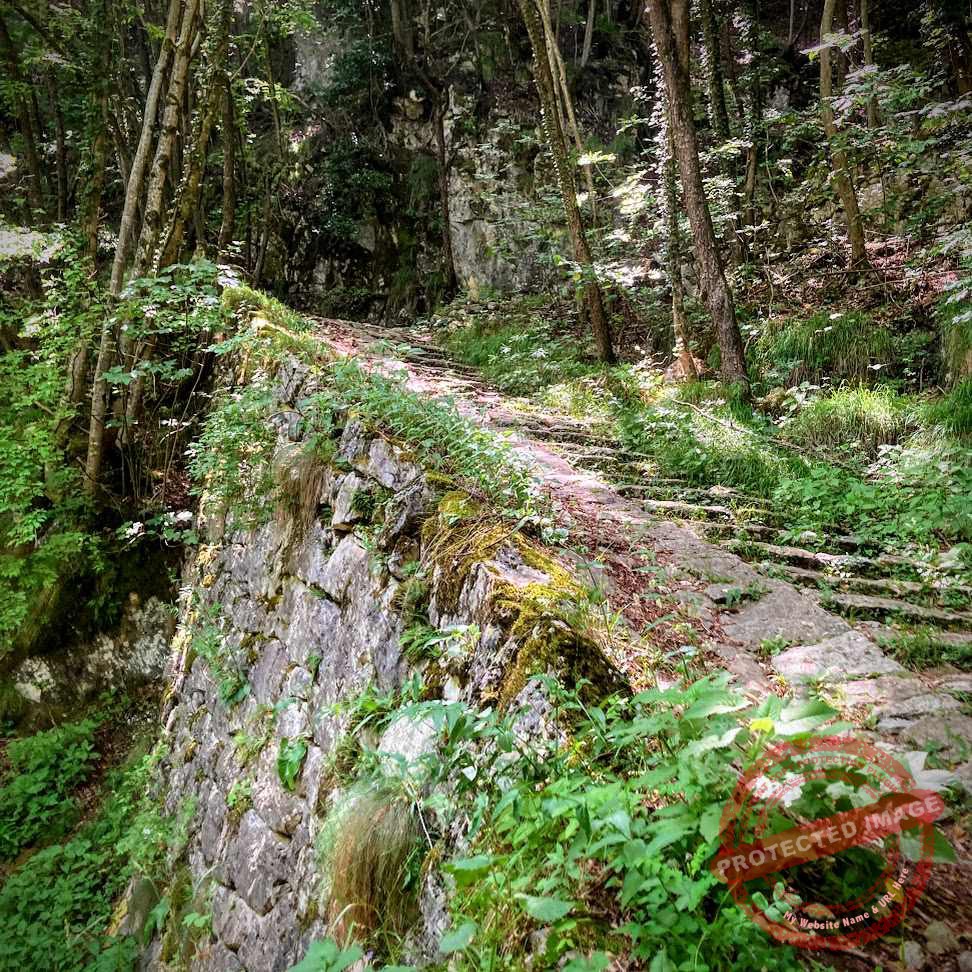
To roll (or chute) tree-trunks harvested from the hills of Asiago, downhill via this stairway, to the now-dried-out stream that once flowed into the River Brenta. (Unlike the defunct stream, the River Brenta is still very much alive and probably the most beautiful river in Italy I’ve seen so far.) From the Brenta, these logs made their way to the City of Venice.
How curious, you might think. Why Venice?
You probably know that Venice was once nothing but swamp and marsh. It is called The Floating City, after all. But what you may not know (at least I didn’t until I moved here) is that the entire city “floats” due to the thousands and thousands of wood pilings driven deep into the marshy soil until they hit a somewhat firmer layer of clay. This clay did not form a solid base for the wood to rest upon, but rather encapsulated the bases of the pilings to provide a level of stability. 1
Depending upon the source one reads, these wood pilings did not rot due to the lack of oxygen present that deep in the water, combined with various natural minerals found therein. As a result, these pilings gradually mineralized over time into petrified wood.
These are the tree-trunks upon which this entire city was built. Deep under each piazza and crumbling palace and gondola landing, wood pilings stand in murky depths, holding up the foundations.

According to the BBC, “14,000 tightly packed wooden poles in the foundations of the Rialto bridge alone, and 10,000 oak trees under the San Marco Basilica, which was built in 832AD.”2
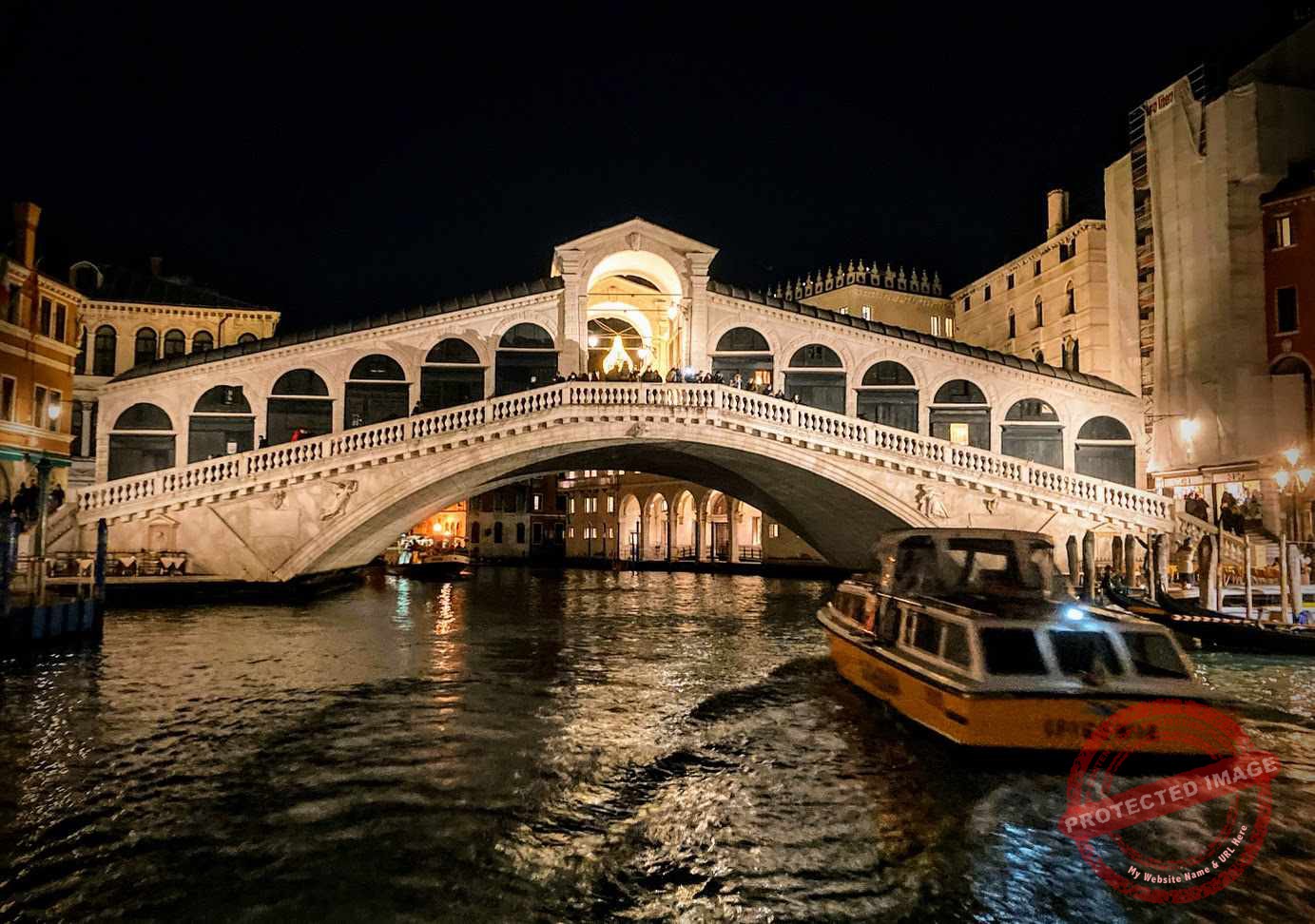
The Rialto Bridge, Venice
(Ponte di Rialto)
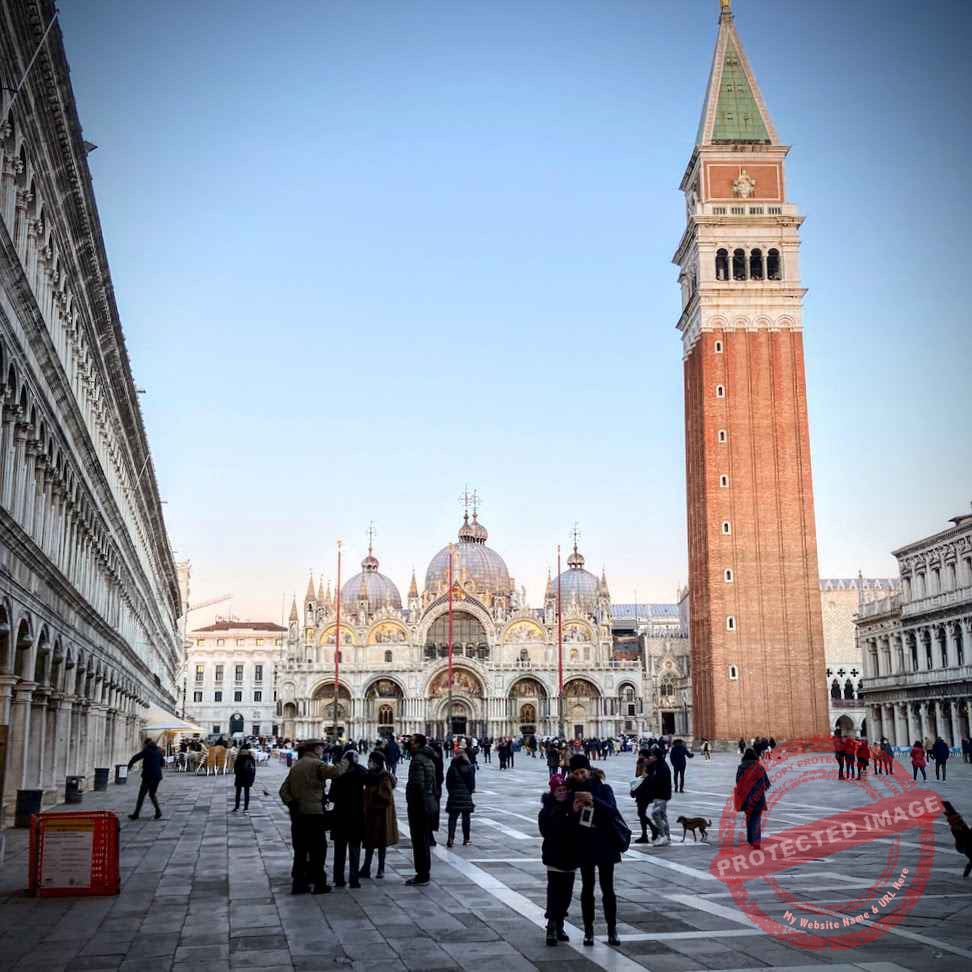
St. Mark’s Basilica, Venice
(Basilica di San Marco)
Where did so much wood come from in a land of marsh?
They came from the forested hillsides and mountains of the Veneto and other regions of Italy. They came down the staircase you are now climbing, and once you reach the top and see the pretty, green hills with tiny villages sprinkled about, you will know why those hills are mostly devoid of trees.
That’s the Cala del Sasso experience, at least from this writer’s perspective. The scenery, when compared to the seemingly endless assortment of beautiful outdoor hikes Italy has to offer, was underwhelming. No grand vistas like the Monte Cengio hike, but the story here is just as fascinating. And the stairway has a quiet beauty about it. What it lacks in vistas, it makes up for in result.
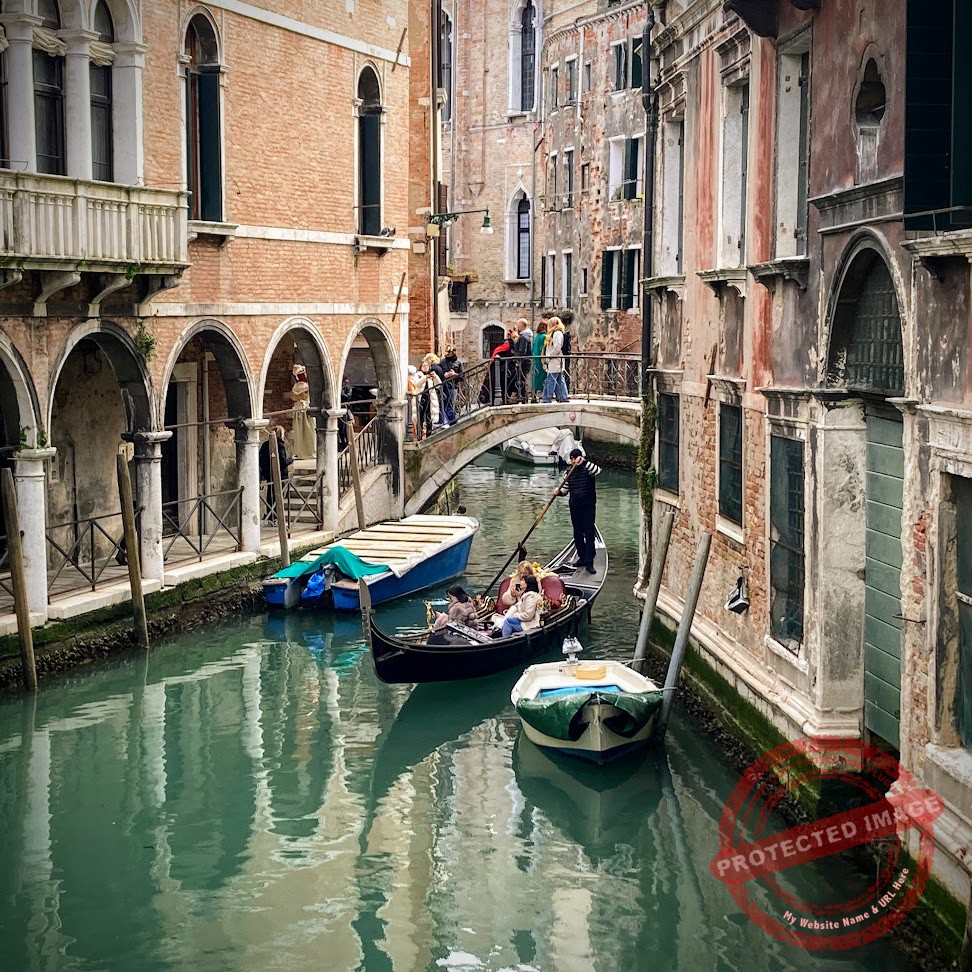
After all, is there a city in the world more magical than Venice?
Cala del Sasso Hike Logistics:
Location: We used Google maps for the Cala Del Sasso parking area. It is just outside the town of Valstagna, Italy. (About an hour’s drive from Vicenza.) At the parking area, you’ll see a brown, wooden informational sign and other trail info there.
Length: This is a out-and-back roundtrip hike, roughly 5 miles. Unless you arrange for transport once you get to the top (Sasso di Asiago), you really don’t have a choice. You must walk back down.
Difficulty: While no technical skill is needed, this proved to be a pretty difficult hike for me. I haven’t sweated that much since living in Balikpapan, Indonesia, ten years ago! But the challenge may have, in part, been due to the fact that I had a head cold and didn’t bring enough water.

What to Bring on the Cala del Sasso Hike
Snacks. If you are the type who needs frequent energy replenishment, then pack accordingly. There are no rest-stops along the way. The only place to get water or a snack are at the top, where a short walk in the direction of the church will bring to a small café/bar. There are no cafes or shops at the lower trailhead.
Plenty of water! I foolishly brought one liter for Sam and I to share between us. It was definitely not enough. You can buy more water at the bar/café a short walk from the upper trailhead, but if we were to go again, I’d bring at least a liter for each of us with plans to replenish for the downward journey.
Bug spray. It wasn’t terribly buggy, but there were some horseflies and mosquitoes. We sprayed our legs and it really helped.
Sunscreen and hats. While the trail itself is mostly shaded, you will walk in the direct sun for about ¾ of a mile each way, there and back from the trailhead.
Comfy hiking shoes. I did this walk in outdoor sport sandals, and it was mostly fine, except that I found the downhill leg a bit challenging as my feet would slip down the soles of my sandals due to the incline. Sam’s choice of hiking boots was wiser.
Breathable clothing. It is a hot and muggy walk! (Obviously, our experience was during the warmer months, so conditions change depending upon the season.)
Geek-out note: While records show that Venice was settled as far back as 400+ AD, at first, the structures built within the lagoon were much lighter, very often made of wood. As Venice became more of a settlement, the buildings increased in weight, grandeur and materials. Marble and other stone became the building blocks. While the use of wood pilings can be found much earlier, from what this author has read, wood pilings did not become the standardized method of foundation-creation until around the 1500s. Check out the links below for more information about this amazing place called Venice!
1.The Surprising Foundations of Venice
2Mud, water and wood: The system that kept a 1604-year-old city afloat
How was Venice built? How to build a city on nothing…
VENICE FOUNDATIONS: HOW VENICE WAS BUILT? – Venice by Venetians
#Venice #Cala del Sasso